
Volusia County
Septic pumping, repair & nitrogen-reducing upgrades across Volusia County
Routine pumping through full nitrogen-reducing upgrades — scheduled by us, performed by Florida-registered, insured septic contractors. Two different state rules reach this county, and we'll tell you which one reaches your address before you spend anything.
The one thing every Volusia County septic owner should know
Inside a springs protection area, the permit to repair your system is the permit to replace it.
Since June 27, 2025, any construction permit to repair, modify or replace an existing system inside the DeLeon, Volusia Blue or Gemini priority focus areas — on a lot of an acre or less — requires a system achieving at least 65% nitrogen reduction. Those areas reach DeLand, Orange City, Deltona and DeBary. On the southeast side a separate rule gives Edgewater, New Smyrna Beach and Oak Hill until July 1, 2030.
- Springs rule
- Live since June 2025
- Lagoon deadline
- 1 July 2030
- DeLeon Springs grant
- up to $14,000
- Verified
- September 16, 2026
What we do
Six things, done properly
Septic tank pumping
$300–$550
The cheapest thing you can do for a system, and the one most often skipped.
DetailsDrain field repair
$5,000–$15,000; mound or elevated fields at the top of that range
Diagnosis before replacement — most fields fail for a reason worth finding.
DetailsInspections
$175–$550; ATU inspections $350–$600
For a sale, a refinance, or knowing where you stand. Report the same day.
DetailsATU upgrades
$10,000–$20,000 installed, before any grant
The nitrogen-reducing unit the grants pay toward, and its service contract.
DetailsEmergency service
Backing up, overflowing, or standing water over the field.
DetailsEverything else
Locating, cleaning, lift stations, filters and the odd jobs in between.
Details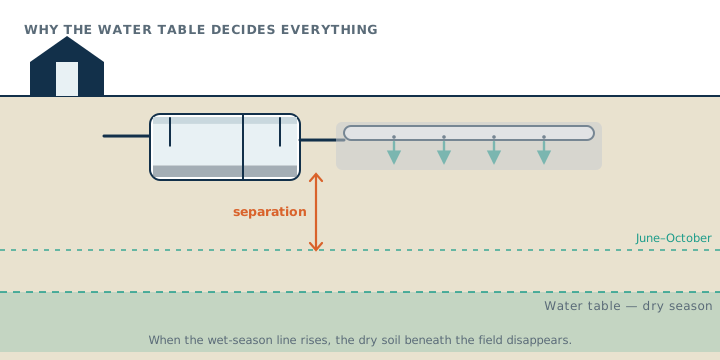
Why here is different
Sand moves water fast. That is the whole reason this county has rules.
West Volusia is sand over the Floridan aquifer, and the springs at DeLeon, Blue and Gemini are that aquifer coming back to the surface. What a drain field releases into sand does not stay put, which is why the state has written nitrogen rules around those springs rather than around the county line.
On the southeast side the same sand sits over a water table that climbs from June through October. When it climbs, the dry soil beneath a drain field — the part actually doing the treatment — thins out, and a field that took water all winter stops taking it. Both halves of the county end up at the same place: what your system releases, and whether it is allowed to.
How it works
Three steps, no surprises
- 1
Call or book
Tell us the address and what it's doing. Emergencies go to the front of the day.
- 2
Price confirmed before we roll
You get the number on the phone, not at the driveway with the truck already there.
- 3
Licensed crew, written record
Tank size, sludge depth and a recommended next date, in writing.
All work is performed by local licensed, permitted Florida-registered septic tank contractors.
Where we work
13 communities across Volusia County
Money
Straight answers on cost
Get started
Book a visit or get a price
All work is performed by local licensed, permitted Florida-registered septic tank contractors.